The Probation Privatisation Disaster: How Outsourcing Offender Management Created a Reoffending Conveyor Belt
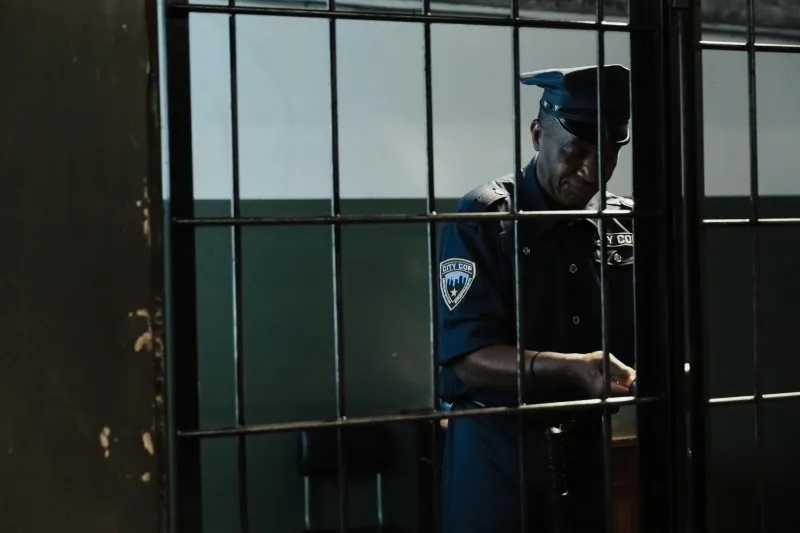
In 2014, Chris Grayling's decision to part-privatise the probation service was hailed by Conservative ministers as a triumph of market efficiency over state bureaucracy. A decade later, the wreckage of this ideological experiment litters the criminal justice system: soaring reoffending rates, fragmented supervision, and a workforce so demoralised that turnover rates approach 40% annually. The 2021 renationalisation came too late to prevent lasting damage, and the scars of privatisation continue to undermine public safety across Britain.
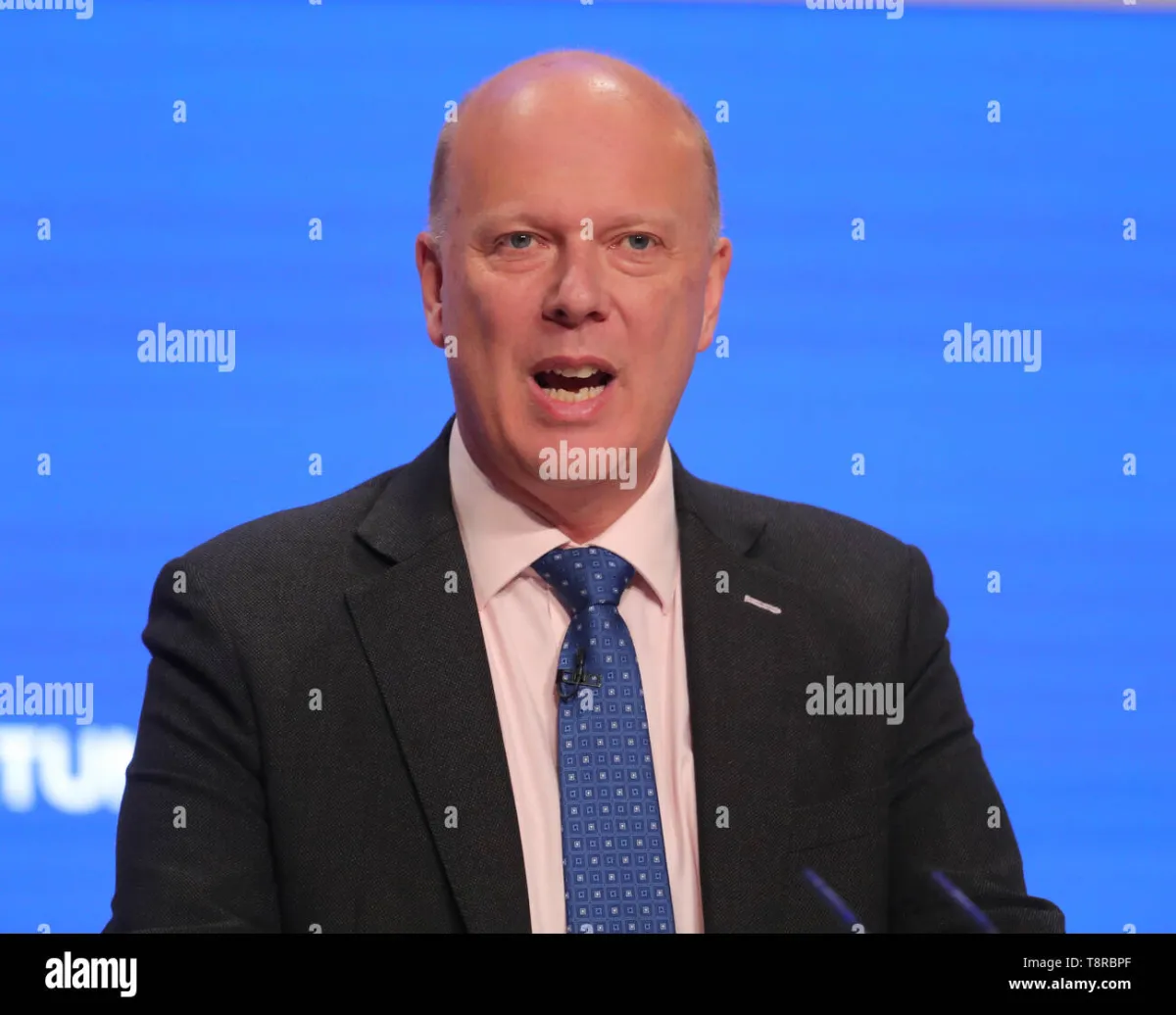 Photo: Chris Grayling, via c8.alamy.com
The statistics tell a story of systematic failure. Reoffending rates for those supervised by privatised Community Rehabilitation Companies (CRCs) reached 63.7% by 2019—significantly higher than the pre-privatisation baseline of 58.9%. More damning still, serious further offences by those under probation supervision increased by 23% between 2014 and 2020, representing hundreds of preventable crimes and countless victims whose suffering could have been avoided.
The Grayling Gamble
The 2014 Transforming Rehabilitation programme split the probation service into two: a public National Probation Service handling high-risk offenders, and 21 private CRCs managing medium and low-risk cases. The logic was quintessentially neoliberal—competition would drive efficiency, private sector innovation would reduce costs, and payment by results would align commercial incentives with public safety.
Every assumption proved catastrophically wrong. CRCs, awarded contracts based on unrealistic cost projections, immediately began cutting services to maintain profitability. Experienced probation officers were replaced with unqualified staff, face-to-face supervision was reduced to phone check-ins, and vital rehabilitation programmes were slashed or eliminated entirely.
The human cost was immediate and severe. Offenders who had built relationships with experienced probation officers found themselves passed between inexperienced case workers who lacked the skills and knowledge to provide effective supervision. The continuity of care that is essential for rehabilitation was shattered in pursuit of commercial efficiency.
Market Failure in Action
By 2019, the privatisation experiment was in terminal decline. Several CRCs faced bankruptcy, while others survived only through repeated government bailouts that made a mockery of the supposed cost savings. The Ministry of Justice was forced to pump an additional £467 million into failing contracts, while reoffending rates continued to climb.
Working Links, one of the largest CRC operators, exemplified the systemic problems. The company cut probation officer numbers by 30% while increasing caseloads to unmanageable levels. Staff reported being unable to conduct proper risk assessments or provide adequate supervision, leading to a series of serious further offences that could have been prevented with proper oversight.
The payment-by-results model, supposedly the key to aligning private incentives with public outcomes, proved particularly dysfunctional. CRCs were incentivised to focus on easy wins rather than challenging cases, leading to a two-tier system where those most in need of support received the least. The complexity of measuring rehabilitation outcomes was reduced to crude metrics that encouraged gaming rather than genuine improvement.
The Human Cost of Ideological Dogma
Behind every statistic lies a human story of preventable harm. Sarah's case illustrates the deadly consequences of privatisation. Her son, convicted of burglary, was supervised by a CRC that reduced his contact from weekly face-to-face meetings to monthly phone calls. Without proper support, he relapsed into drug use and committed an armed robbery that left a shopkeeper hospitalised. "The old probation service would never have let him slip through the cracks like that," Sarah reflects. "They knew him, they cared about him. The private company just saw him as a number on a spreadsheet."
Probation officers describe a service transformed from a professional vocation into a commercial transaction. Experienced staff left in droves, taking decades of expertise with them. Those who remained faced impossible caseloads, inadequate training, and constant pressure to prioritise cost-cutting over public safety.
The Renationalisation Myth
When the government announced probation renationalisation in 2021, ministers claimed it would restore effective supervision and reduce reoffending. The reality has been more complex. While returning the service to public control was essential, the damage inflicted by seven years of privatisation cannot be quickly repaired.
Staff shortages remain acute, with many experienced officers having left the profession entirely. The fragmented IT systems introduced by different CRCs have created information silos that impede effective case management. Most critically, the culture of commercialised justice has infected the reunified service, with performance management systems that prioritise throughput over outcomes.
Reoffending rates have stabilised but remain above pre-privatisation levels. The promised investment in rehabilitation programmes has been limited, while caseloads remain dangerously high. Probation officers report feeling like they are managing risk rather than reducing it, processing cases rather than transforming lives.
The Broader Pattern of Privatisation Failure
The probation disaster is part of a broader pattern of privatisation failures across the criminal justice system. From the chaos of privatised prisons to the scandal of court interpretation services, the consistent theme is the same: the application of commercial logic to public services produces worse outcomes at higher cost.
Yet the ideological commitment to privatisation remains strong. Despite the overwhelming evidence of failure, government ministers continue to argue that competition and private sector involvement are essential for public service reform. The probation service has been renationalised, but the thinking that created the disaster remains unchanged.
Learning from Failure
The probation privatisation experiment offers crucial lessons for progressive politics. First, that some services are too important to be subject to market forces. Public safety cannot be subordinated to private profit without devastating consequences. Second, that the skills and knowledge of public sector professionals cannot be easily replaced by commercial management techniques.
Most importantly, it demonstrates that the neoliberal faith in market solutions to social problems is not just wrong but dangerous. When we treat offender management as a commercial transaction rather than a public service, we create systems that prioritise profit over people, efficiency over effectiveness, and short-term savings over long-term safety.
The probation service may have been renationalised, but the fight against the privatisation of justice is far from over—and the stakes could not be higher.