Tracks Without a Driver: The Quiet Scandal of Britain's Un-Renationalised Railway

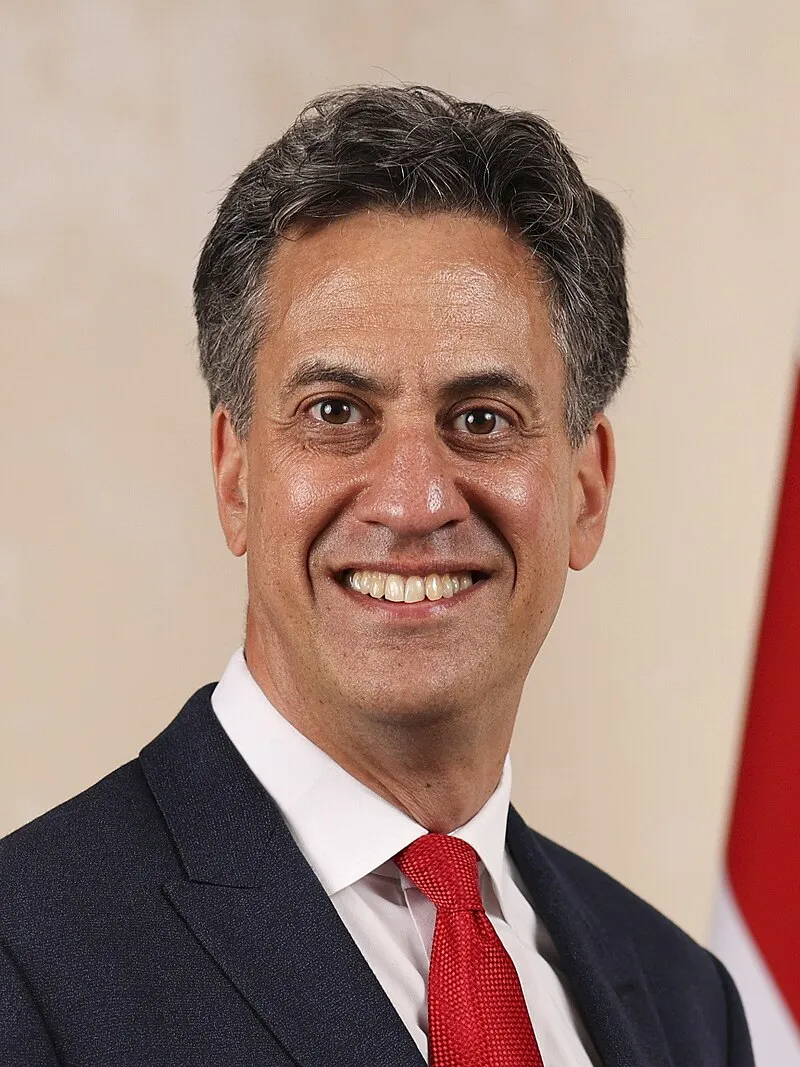
Photo of Heidi Alexander, via Wikimedia Commons
In September 2025, the last of the remaining English passenger franchises operated under old-style contracts came to an end, with services transferring to the publicly owned operator of last resort. It should have been a triumphant moment for a Labour government elected on a promise to bring the railways back into public hands. Instead, it marked something more ambiguous: the completion of a process that, deliberately or not, stops well short of the public ownership that voters were actually promised.
What Has Actually Happened
The facts first. The Passenger Railway Services (Public Ownership) Act 2024 allows franchises to be brought into public ownership as they expire, rather than re-tendered to private operators. The government has also advanced the Great British Railways project, intended to create a single public body — Great British Railways — to oversee the network, set fares and manage timetables. But the legislation as drafted does not, on its own, deliver the integrated, publicly owned railway set out in Labour's 2019 and 2024 manifesto commitments. Rolling stock remains in the hands of private leasing companies — the ROSCOs — and open-access and freight operations remain private, in some cases legitimately so.
The Case the Public Already Endorses
Support for rail nationalisation is not a fringe position. Polling by YouGov and others over successive years has consistently placed public ownership of the railways among the most popular nationalisation policies tested, with majorities — often including Conservative voters — in favour. The economic case is equally well-rehearsed. The Centre for Research on Socio-Cultural Change (CRESC), in its work on the 'privatised UK', documented how rail franchises have functioned in part as a conduit for public subsidy to private shareholders. National Audit Office reports into franchising failures — most catastrophically the collapse of the 2012 InterCity West Coast competition and the 2018 timetable chaos — documented the administrative costs of a system designed more around contract negotiation than around running trains.
The cumulative picture is of a model that costs the Treasury more than straightforward public operation would, while delivering fragmented accountability. When a franchise fails, the state picks up the pieces. When it succeeds, shareholders take the dividend. This is privatisation of profit and socialisation of risk — the classic asymmetry.
The Strongest Counter-Argument
Defenders of the mixed model make a fair point: public ownership alone guarantees nothing. British Rail in the 1970s was underfunded and, at times, poorly managed. Some of the best-performing European railways — notably in Germany and Switzerland — operate with substantial private involvement under strong public coordination. The lesson, they argue, is that structure matters less than investment and governance.
This is partly right, and it is why the argument should not be for ownership as a totem. But it misunderstands the objection. The critique of rail privatisation was never that private managers are incompetent; it is that fragmentation itself destroys accountability. A railway divided between the state, franchisors, ROSCOs and contractors has no single body answerable to passengers. Full public ownership, with transparent accounts, is the precondition for that accountability — not a guarantee of success, but a necessary condition for it.
Who Is Waiting
The people who bear the cost of delay are identifiable. They are the commuters in the North of England paying some of the highest fare-per-mile rates in Europe for some of the least reliable services. They are the disabled passengers navigating a maze of separate operators to book assistance. They are rail workers, who have faced successive rounds of disputes over pay and conditions across fragmented employers. And they are the communities whose branch lines were axed or curtailed when commercial logic, rather than public need, governed the timetable.
The Politics of Deferral
Why, then, the stasis? Part of the answer is fiscal caution: bringing rolling stock leases into public hands would require capital expenditure that the Treasury is reluctant to sanction. Part of it is the persistent political fear of being labelled doctrinaire. But the effect is the same either way. A reform with sustained majority public support, a credible evidence base and no serious electoral downside is being implemented at the pace of least resistance.
The gap between what voters were told and what is being delivered will not remain invisible. If Great British Railways emerges as a coordinating brand over a still-fragmented network, the promise of public ownership will have been honoured in name and betrayed in substance.
The verdict is simple: a railway owned by the public, run for the public, is not a radical demand — and every year of delay is a choice to keep charging passengers for the privilege of someone else's dividend.