The Surveillance State in the Classroom
Britain's Prevent programme, ostensibly designed to stop radicalisation before it takes root, has evolved into something its architects never publicly admitted: a vast surveillance network that treats Muslim communities as inherently suspicious while systematically under-policing the far right. Recent data from the Home Office reveals the extent of this institutional bias, with Muslims representing 57% of all Prevent referrals despite comprising just 5% of the UK population. Meanwhile, far-right referrals have plateaued at around 25% even as white nationalist violence surges across Europe and America.
This is not counter-terrorism policy. This is the criminalisation of an entire faith community, dressed up in the language of safeguarding and sold to a public traumatised by genuine security threats.
The Numbers Don't Lie
The statistics paint a damning picture of institutional prejudice masquerading as public safety. Between 2015 and 2023, teachers, healthcare workers, and civil servants made over 50,000 referrals to Prevent. Of these, fewer than 5% resulted in any form of specialist intervention, raising serious questions about both the programme's effectiveness and the quality of initial assessments.
More troubling still is the demographic breakdown. Children as young as three have been referred to Prevent for supposedly extremist behaviour—a revelation that should shock anyone with a basic understanding of child development. The majority of these referrals involve Muslim children, often for nothing more than expressing political opinions about foreign policy or asking questions about their faith that make teachers uncomfortable.
Meanwhile, documented far-right activity continues to rise. The number of far-right prisoners in British jails has increased by 35% since 2017, yet Prevent referrals for white supremacist ideology remain proportionally static. This suggests either a fundamental failure to identify far-right radicalisation or a deliberate decision to focus resources elsewhere.
The Classroom Chill
Educators across Britain report a chilling effect on classroom discussions since Prevent's implementation. Teachers describe self-censoring when discussing topics like the Palestine-Israel conflict, the war in Syria, or British foreign policy in the Middle East—not because these subjects are inappropriate for educational settings, but because expressing certain viewpoints might trigger a referral.
This has created what civil liberties groups describe as a "pre-crime" environment where thoughts and opinions, rather than actions, become the basis for state intervention. Students report feeling unable to engage authentically with political topics, knowing that their teachers are legally obligated to assess their comments for signs of radicalisation.
The psychological impact on young Muslims cannot be overstated. Growing up under constant suspicion, knowing that expressing solidarity with global Muslim communities might mark you as a potential terrorist, creates a form of institutional trauma that will shape an entire generation's relationship with British society.
Missing the Real Threat
While Prevent officers investigate teenagers for Facebook posts about Gaza, far-right terrorism has claimed more lives in Britain than Islamic extremism since 2017. The murder of MP Jo Cox, the Finsbury Park mosque attack, and numerous other incidents demonstrate that white nationalist violence poses a clear and present danger to British communities.
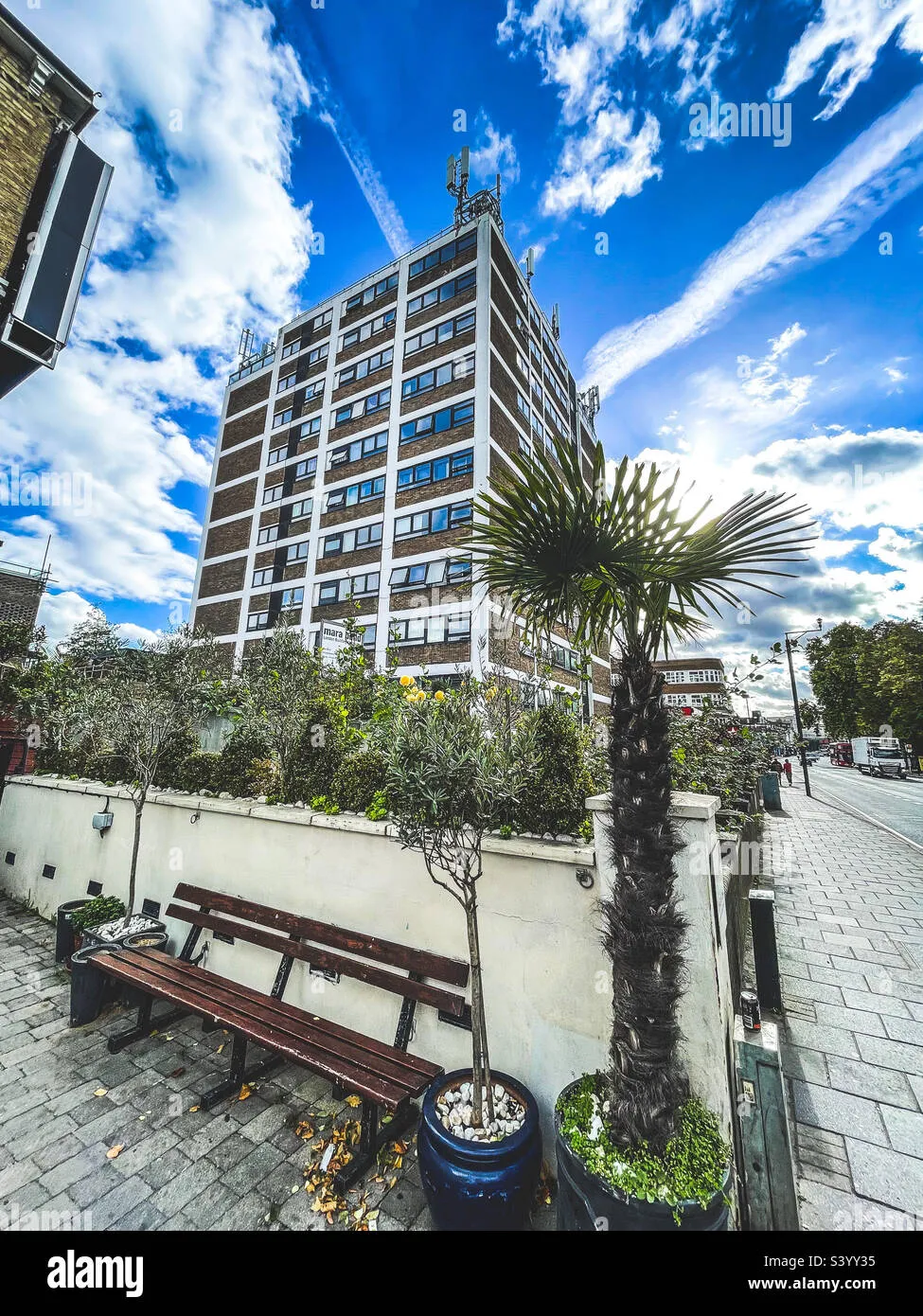 Photo: Finsbury Park, via c8.alamy.com
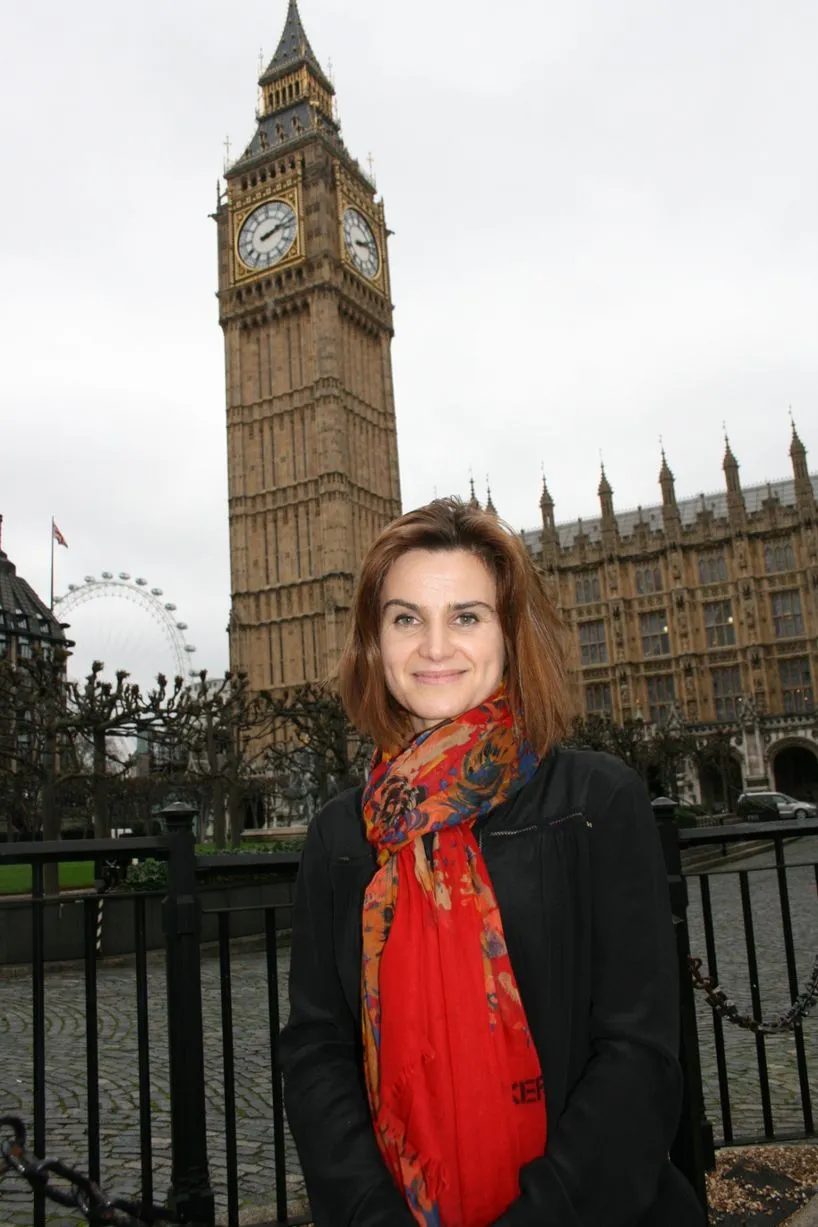 Photo: Jo Cox, via i2-prod.examinerlive.co.uk
Yet resources remain disproportionately focused on Muslim communities. Former Prevent officers, speaking anonymously to civil liberties groups, describe internal pressure to maintain high referral numbers from Muslim populations while facing less scrutiny over far-right cases that are allowed to slip through the net.
This misallocation of resources isn't just ineffective—it's actively counterproductive. By alienating the very communities most likely to identify and report genuine extremist threats, Prevent undermines its own stated objectives while fostering the grievances that extremists exploit.
The Democracy Deficit
Perhaps most damaging is Prevent's impact on democratic participation. Young Muslims report feeling discouraged from engaging in political activism, attending protests, or even joining university societies that discuss Middle Eastern politics. This withdrawal from civic life represents a profound failure of integration—not because Muslim communities reject British values, but because British institutions have rejected them.
The programme's defenders argue that safeguarding requires difficult judgements and that any bias in referrals reflects genuine patterns of risk rather than institutional prejudice. This argument collapses under scrutiny. If Muslim communities truly posed a proportionate threat to justify 57% of referrals, we would expect to see corresponding levels of actual terrorist activity. We don't.
Beyond Reform
Minor adjustments to Prevent's methodology will not address its fundamental flaws. The programme is built on the false premise that radical ideas inevitably lead to radical actions, and that state surveillance can identify potential terrorists through ideological profiling. Both assumptions have been thoroughly debunked by academic research, yet they remain central to Prevent's operational model.
A genuinely effective counter-terrorism strategy would focus on behaviour rather than belief, would treat all forms of extremism with equal seriousness, and would work with communities as partners rather than suspects. It would recognise that the best defence against radicalisation is strong, inclusive institutions that offer young people meaningful ways to engage with political grievances through democratic means.
Instead, Britain has chosen to criminalise Muslim youth while the far right organises in plain sight—a strategy that makes us less safe while undermining the very democratic values terrorism seeks to destroy.
The Reckoning
Prevent has become a monument to institutional Islamophobia, a £40 million annual reminder that Britain views its Muslim citizens as a problem to be managed rather than a community to be protected.