The Silent Revolution in Your Pocket
While Westminster obsessed over Brexit negotiations and leadership contests, Britain underwent a quiet transformation into one of the most surveilled nations on earth. The Metropolitan Police's facial recognition trials, which can scan and identify faces in crowds within seconds, represent just the visible tip of a surveillance iceberg that has grown exponentially beneath the surface of public discourse.
 Photo: Metropolitan Police, via cdn.footballkitarchive.com
The Investigatory Powers Act 2016, dubbed the 'Snooper's Charter' by critics, granted government agencies unprecedented access to citizens' digital lives. Internet service providers must now store browsing histories for 12 months, available to dozens of public bodies ranging from MI5 to local councils. Your search history, location data, and communication patterns form a digital shadow that follows you everywhere — and the state can access it without a warrant in many cases.
The Counter-Terrorism Trojan Horse
The progressive case against this surveillance expansion isn't rooted in paranoia — it's grounded in evidence of how these powers are actually used. Tools justified for preventing terrorism are routinely deployed against environmental protesters, trade unionists, and journalists. The Metropolitan Police's use of facial recognition technology at protests has created a chilling effect on democratic participation, with activists reporting they avoid demonstrations knowing their faces will be catalogued and stored.
This mission creep was predictable and predicted. Civil liberties groups warned that broad surveillance powers, once granted, would inevitably expand beyond their original purpose. The Regulation of Investigatory Powers Act, initially designed for serious crime, was soon being used by councils to spy on benefit claimants and parents suspected of school catchment fraud.
The Corporate Surveillance Complex
Behind Britain's surveillance infrastructure lies a web of private contractors profiting from the erosion of privacy. Companies like Palantir, NEC, and Clearview AI have secured lucrative government contracts to build and maintain these systems. The facial recognition cameras scanning British streets often use technology developed by firms with questionable track records on civil liberties.
This privatisation of surveillance creates perverse incentives. Private companies profit from expanding the scope and scale of monitoring, while the true costs — democratic participation, press freedom, community trust — remain hidden from public accounting. The result is a surveillance-industrial complex that grows regardless of evidence for its effectiveness.
Who Watches the Watchers?
The oversight mechanisms supposedly protecting citizens' rights are woefully inadequate. The Investigatory Powers Commissioner's Office, tasked with monitoring surveillance activities, operates largely in secret. Its annual reports, heavily redacted, reveal little about how these powers are used in practice. Parliamentary scrutiny remains superficial, with MPs lacking the technical expertise to challenge intelligence agency claims about necessity and proportionality.
Meanwhile, the communities most affected by surveillance — predominantly working-class areas, ethnic minorities, and political activists — have the least political voice to challenge these systems. Facial recognition technology has been shown to have higher error rates for people with darker skin, yet these biases rarely feature in policy discussions about deployment.
The Democratic Deficit
Perhaps most troubling is how this surveillance expansion happened without meaningful democratic debate. The Investigatory Powers Act passed through parliament with minimal scrutiny, supported by Labour's front bench despite fierce opposition from civil liberties campaigners. The public was never asked whether they wanted to live in a society where their every digital move is monitored and stored.
This democratic deficit matters because surveillance changes behaviour even when it's not actively used. The knowledge that protest attendance might be recorded, that browsing histories are stored, that location data is tracked, creates what scholars call a 'chilling effect' on legitimate political activity. Democracy requires space for dissent, experimentation, and privacy — all of which are eroded by pervasive surveillance.
The International Context
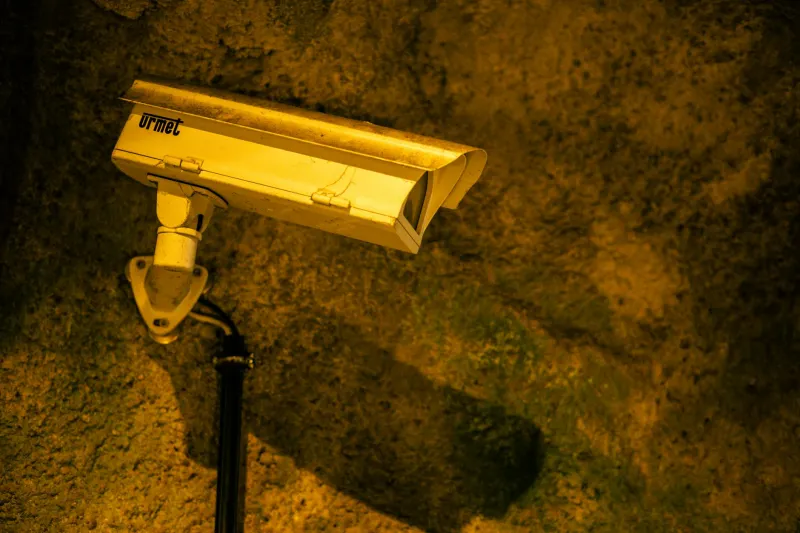
Britain's surveillance apparatus now rivals authoritarian states in its scope and intrusiveness. The UK has more CCTV cameras per capita than anywhere except China. Our intelligence agencies hoover up communications data on an industrial scale, sharing it liberally with allies through programmes like Five Eyes. Yet unlike authoritarian regimes, Britain maintains the pretence of democratic oversight while systematically undermining the privacy rights that make democracy possible.
Comparison with other European democracies reveals how far Britain has drifted from liberal norms. Germany's Federal Constitutional Court has imposed strict limits on surveillance powers, recognising their threat to democratic participation. France's Constitutional Council has struck down attempts to expand surveillance without judicial oversight. Britain, lacking a written constitution or strong constitutional court, offers citizens far weaker protection.
The Path Forward
Rolling back Britain's surveillance state requires more than technical fixes — it demands a fundamental reassessment of the relationship between citizen and state. This means ending the use of facial recognition in public spaces, requiring judicial warrants for accessing communications data, and subjecting all surveillance activities to meaningful parliamentary oversight.
It also means recognising that privacy isn't about having something to hide — it's about preserving the democratic space necessary for political opposition, investigative journalism, and social movements to function. A society where every action is monitored and recorded is not a free society, regardless of how benevolent its current rulers claim to be.
The Stakes of Inaction
The surveillance infrastructure being built today will outlast any particular government. Once established, these systems create their own constituencies — the agencies that operate them, the companies that profit from them, the politicians who claim credit for public safety. Dismantling surveillance states is far harder than preventing them.
Britain stands at a crossroads: we can continue sleepwalking into an Orwellian future, or we can demand that our representatives choose democracy over the security theatre that enriches private contractors while impoverishing our civic life. The choice is ours — but only if we make it before the watchers become too powerful to watch.
The surveillance state wasn't built in a day, and it won't be dismantled without sustained political pressure — but the alternative is accepting that Britain's transformation from a democracy into a digital panopticon was simply the price of living in the 21st century.