
In 2008, when EDF first proposed building a new nuclear reactor at Hinkley Point, the estimated cost was £16 billion. Today, that figure has nearly tripled to £46 billion and counting. Yet the French energy giant remains guaranteed a strike price of £92.50 per megawatt hour — more than double current wholesale electricity prices — for the next 35 years. British households will pay this premium through their energy bills, subsidising French shareholders while renewable energy costs plummet around them.
This is not just a case of cost overruns or construction delays. Hinkley Point C represents the capture of British energy policy by corporate interests and the systematic subordination of public welfare to private profit. It is a generational rip-off that will burden British families for decades while delivering energy that is neither clean, cheap, nor reliable.
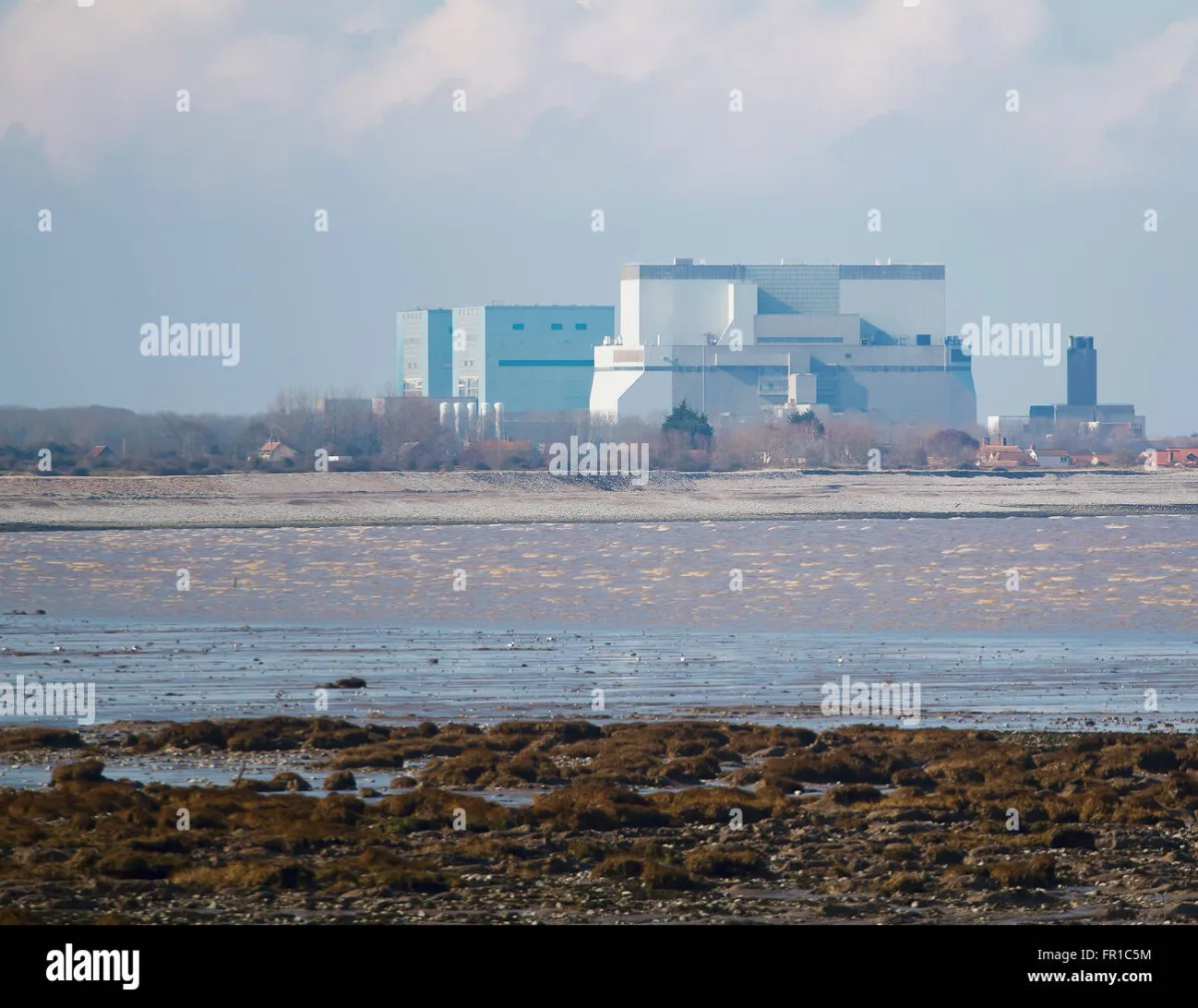 Photo: Hinkley Point C, via c8.alamy.com
The Anatomy of a Bad Deal
The contract structure for Hinkley Point C reads like a corporate lawyer's fantasy. EDF receives a guaranteed minimum price for electricity that is inflation-linked and backed by the British government. If wholesale electricity prices fall below the strike price, British consumers pay the difference. If prices rise above it, EDF keeps the first £92.50 per megawatt hour before sharing higher prices with consumers.
This 'Contracts for Difference' model was supposed to provide certainty for investors while protecting consumers from excessive costs. In practice, it has achieved the opposite. EDF enjoys risk-free profits while British families bear all the downside risk of cost overruns, construction delays, and technological obsolescence.
Consider the mathematics. Hinkley Point C is designed to operate for 60 years, generating 3.2 gigawatts of power. Over its lifetime, British consumers will pay an estimated £300 billion in today's money — nearly seven times the original construction cost. This makes Hinkley Point C not just the most expensive power station ever built, but the most expensive infrastructure project in British history.
The Renewable Alternative
While Hinkley Point C's costs have soared, renewable energy has become dramatically cheaper. Offshore wind projects now deliver electricity at £40-50 per megawatt hour — less than half Hinkley's guaranteed price. Solar energy costs have fallen by 90% since 2010. Battery storage technology is advancing rapidly, addressing intermittency concerns that once favoured nuclear power.
The government's own analysis shows that a portfolio of renewable energy sources plus storage would deliver the same carbon reduction as Hinkley Point C at a fraction of the cost. The Committee on Climate Change has acknowledged that renewable energy is now the cheapest form of low-carbon power generation.
Yet instead of redirecting investment toward these cheaper, cleaner alternatives, successive governments have protected EDF's contract. The result is that British consumers are locked into paying premium prices for outdated technology while other European countries race ahead with renewable deployment.
Political Protection and Corporate Capture
Why have governments of all stripes defended this toxic deal? The answer lies in the intersection of political calculation, corporate lobbying, and institutional capture. EDF is not just any energy company — it is 84% owned by the French state. Cancelling Hinkley Point C would create a diplomatic crisis with France and potentially trigger massive compensation claims.
The nuclear lobby has also invested heavily in political influence. EDF employs former civil servants and ministers through the notorious 'revolving door' between Whitehall and corporate boardrooms. The company has spent millions on lobbying, think tank funding, and political donations to maintain support for nuclear power.
This influence extends deep into the civil service. The Department for Business, Energy and Industrial Strategy has been captured by nuclear advocates who view large-scale nuclear power as essential for Britain's energy security. They dismiss renewable alternatives as unreliable and promote nuclear power as the only viable low-carbon baseload technology — despite mounting evidence to the contrary.
The Security Myth
Proponents of Hinkley Point C claim it is essential for energy security. This argument collapses under scrutiny. Nuclear power stations are vulnerable to technical failures, terrorist attacks, and cyber warfare. Hinkley Point C relies on unproven EPR reactor technology that has experienced serious problems in Finland and France. The Olkiluoto 3 reactor in Finland, using the same technology, is 14 years behind schedule and has suffered multiple safety issues.
Moreover, dependence on a single large nuclear plant creates systemic risk. If Hinkley Point C suffers a major failure, Britain would lose 7% of its electricity generation capacity overnight. A diversified renewable energy system, by contrast, provides genuine resilience through geographical and technological diversity.
The security argument also ignores the geopolitical implications of the deal. EDF's majority shareholder is the French government, while the reactor technology comes from China General Nuclear Power Corporation. Britain is effectively outsourcing its energy security to foreign state-owned enterprises while paying premium prices for the privilege.
The Climate Contradiction
Nuclear advocates claim Hinkley Point C is essential for meeting climate targets. This argument might have been credible in 2008, but it is demonstrably false today. The plant will not begin generating electricity until the late 2020s at the earliest — too late to contribute meaningfully to the government's 2030 emissions reduction targets.
By the time Hinkley Point C comes online, Britain could have built enough renewable energy capacity to replace all remaining fossil fuel generation. The £46 billion construction cost could fund 23 gigawatts of offshore wind capacity — more than seven times Hinkley's output. This renewable capacity could be deployed within five years rather than the 15-20 years required for nuclear construction.
The climate case for nuclear power has been further undermined by advances in grid flexibility and energy storage. Modern electricity systems can accommodate high levels of renewable generation while maintaining reliability. Countries like Denmark already generate more than 50% of their electricity from wind power without compromising grid stability.
The Democratic Deficit
Perhaps most troubling is the democratic deficit surrounding Hinkley Point C. The project was approved without meaningful public consultation or parliamentary scrutiny. The National Audit Office has repeatedly criticised the deal's value for money, while the Public Accounts Committee has condemned the government's failure to protect taxpayer interests.
Opinion polls consistently show that British voters prefer investment in renewable energy over nuclear power. A 2023 YouGov survey found that 68% of respondents support increased renewable energy deployment, while only 34% support new nuclear construction. Yet the government has ignored this democratic mandate in favour of corporate interests.
The lack of accountability extends to the contract itself. Key commercial terms remain secret, hidden behind 'commercial confidentiality' clauses that prevent proper public scrutiny. British families are paying for this project through their energy bills, yet they cannot even see the full details of what they are buying.
Breaking Free from Nuclear Dependency
The Hinkley Point C debacle should mark the end of Britain's nuclear renaissance, not its beginning. The government's plans for additional nuclear plants at Sizewell C and other sites threaten to lock British consumers into decades more of expensive, inflexible energy generation.
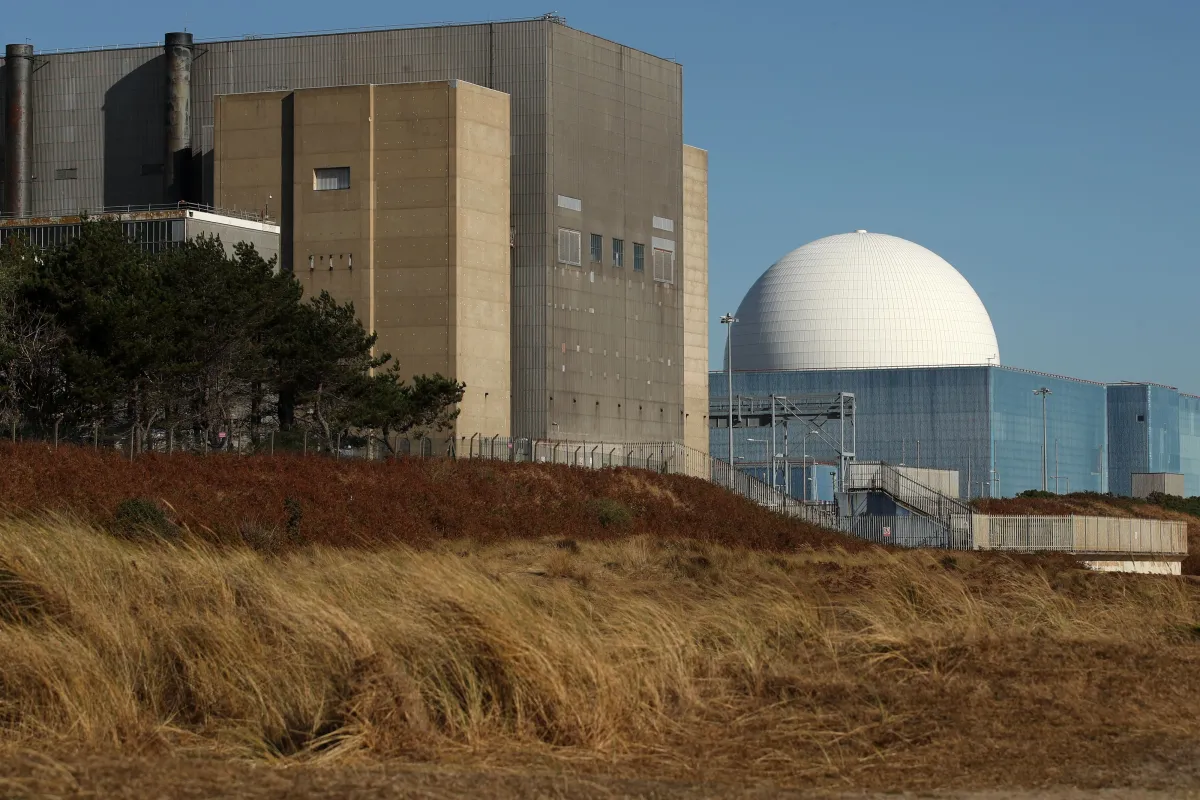 Photo: Sizewell C, via static.independent.co.uk
A rational energy policy would focus on the technologies that are actually delivering cheap, clean electricity: offshore wind, solar power, and battery storage. Britain has some of the world's best wind and tidal resources, yet it continues to subsidise French nuclear technology instead of developing its own renewable advantage.
The money being wasted on Hinkley Point C could transform Britain's energy system. It could fund a massive expansion of renewable energy, upgrade the electricity grid for the 21st century, and provide green jobs in communities across the country. Instead, it will enrich EDF shareholders while British families struggle with energy bills inflated by nuclear subsidies.
The Reckoning
Hinkley Point C represents everything wrong with Britain's approach to infrastructure and industrial policy. It prioritises corporate profits over public welfare, foreign interests over domestic development, and political convenience over economic rationality. The project will burden British families for generations while delivering energy that is expensive, inflexible, and ultimately unnecessary.
The time has come to acknowledge this mistake and chart a different course — one that puts British consumers first and embraces the clean, cheap energy technologies of the future rather than the expensive, risky technologies of the past.