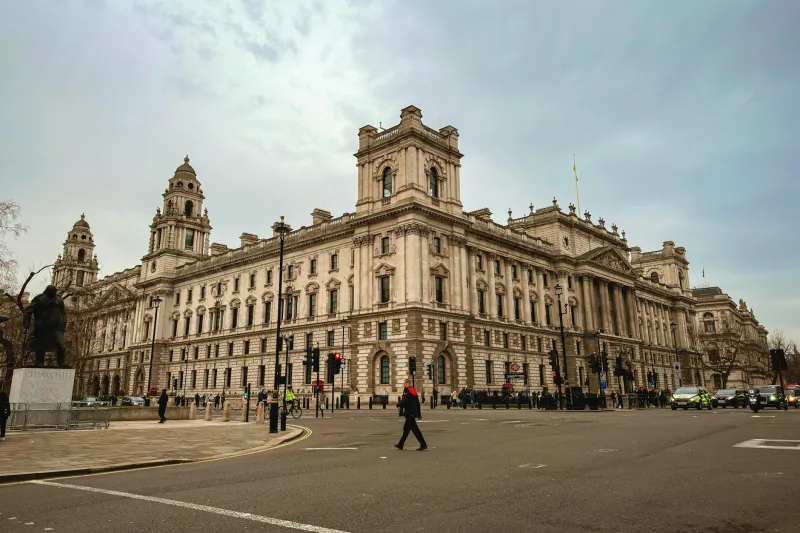
The Ghost of Workhouses Past
Labour's Work and Pensions Secretary Liz Kendall announced this week a comprehensive review of disability benefits, promising to "modernise" the system with stricter eligibility assessments and enhanced work capability evaluations. The language is clinical, managerial, wrapped in the soft bureaucracy of "sustainable support" and "targeted assistance." Strip away the euphemisms, and what emerges is the return of means-testing — that Victorian relic that treats human need as inherently suspect.
 Photo: Liz Kendall, via assets.publishing.service.gov.uk
This isn't reform. It's ideological archaeology, digging up the bones of policies that were cruel when Thatcher implemented them and remain cruel now. The means test, that instrument of state suspicion that assumes every disabled person is a potential fraudster, every benefit claimant a workshy scrounger, has been resurrected under a Labour government that once promised to govern with compassion.
The Cruelty Is the Point
Means-testing has always been about more than money — it's about power, shame, and the deliberate humiliation of those who dare to need help. The process transforms citizens into supplicants, forcing them to perform their desperation for bureaucrats trained to say no. Disabled people must prove their incapacity repeatedly, subjecting themselves to assessments designed not to understand their needs but to find reasons to deny them.
The human cost is documented and devastating. Research by the Centre for Welfare Reform found that benefit sanctions and assessments contributed to over 120,000 excess deaths between 2010 and 2020. These aren't statistics — they're people like Errol Graham, who starved to death after his benefits were stopped, or Philippa Day, who took her own life after being declared "fit for work" despite severe mental illness.
Yet Labour presses on, apparently convinced that the problem with Conservative welfare policy wasn't its cruelty but its inefficiency.
The Evidence They Choose to Ignore
Every serious study of means-testing reaches the same conclusion: it doesn't work. The administrative costs often exceed the savings. The poverty trap effects keep people dependent longer than universal systems would. The social division created by separating "deserving" from "undeserving" poor corrodes the solidarity that makes welfare states politically sustainable.
Look at universal child benefit — politically bulletproof precisely because everyone receives it. Compare that to housing benefit, means-tested and constantly under attack. The lesson is clear: universality creates constituencies; means-testing creates targets.
Scotland's experience with the Scottish Child Payment offers a contemporary example. By making the benefit universal for low-income families, the SNP government avoided the administrative nightmare and social stigma of complex eligibility criteria. Child poverty dropped by a third in the first year.
Labour's Borrowed Clothes
The tragedy is that Labour knows better — or used to. The party that created the NHS understood that universal provision wasn't just more generous than means-testing; it was more efficient, more popular, and more politically durable. Aneurin Bevan famously rejected means-testing for healthcare because he understood that "no society can legitimately call itself civilised if a sick person is denied medical aid because of lack of means."
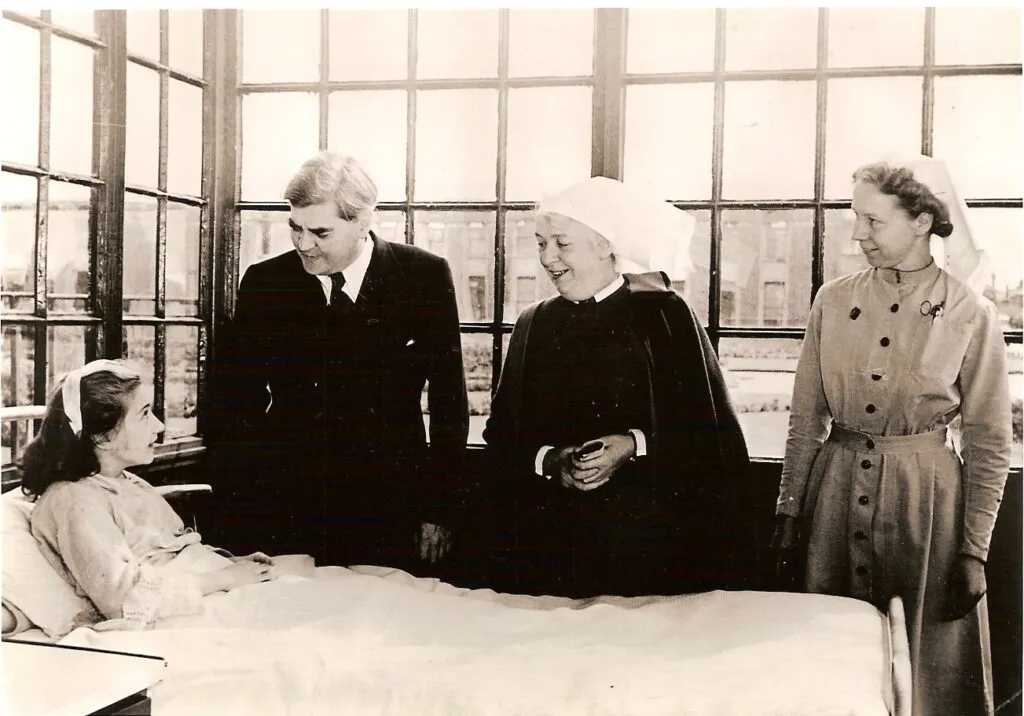 Photo: Aneurin Bevan, via heritage.humanists.uk
Today's Labour has forgotten this wisdom, seduced instead by the siren song of "fiscal responsibility" — that neoliberal incantation that makes heartlessness sound like prudence. They've convinced themselves that being slightly less cruel than the Conservatives constitutes progress, when what's needed is a fundamental rejection of the premise that human need should be rationed through bureaucratic sadism.
The Alternative They Won't Consider
The solution isn't better means-testing — it's abandoning means-testing altogether. A genuine disability benefit reform would start with the principle that disabled people know their own needs better than government assessors. It would provide adequate support without interrogation, recognising that the social model of disability locates the problem not in individual impairment but in societal barriers.
This isn't utopian thinking. Countries across Europe provide more generous, less conditional support for disabled people without their economies collapsing or their societies descending into workshy chaos. The difference is political will, not fiscal capacity.
The Politics of Punishment
What's most depressing about Labour's embrace of means-testing is how unnecessary it is politically. Polling consistently shows public support for helping disabled people. The manufactured outrage about "benefit scroungers" was always a media creation, not a genuine popular sentiment. Labour is solving a problem that exists mainly in the pages of the Daily Mail and the minds of Westminster policy wonks.
Instead, they could be making the progressive case: that a society is judged by how it treats its most vulnerable members, that genuine security requires knowing that help will be there when you need it, that the welfare state isn't a burden but the foundation of civilisation.
A Test of Values
The return of means-testing under Labour isn't just bad policy — it's a moral failing that reveals how thoroughly the party has internalised Conservative assumptions about human nature and state responsibility. They've accepted the premise that poor and disabled people are inherently untrustworthy, that generosity breeds dependency, that the role of government is to police need rather than meet it.
This is Thatcher's greatest victory: convincing even her opponents that there really is no alternative to her vision of a society where compassion is conditional and solidarity is suspect. Labour's welfare reforms aren't modernisation — they're capitulation to an ideology that should have died with its architect.
The Verdict
When history judges this government, it won't remember the careful language about "sustainability" and "targeting" — it will remember that Labour chose to punish vulnerability rather than protect it.