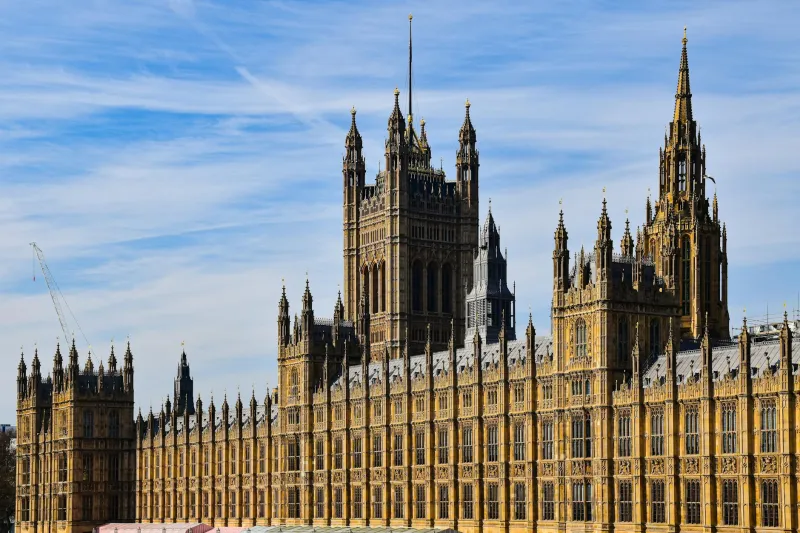
Purge and Pursue: How Labour Is Abandoning Its Base to Chase Voters It Will Never Win

The Loyalty Test No One Voted For
Something quietly significant has been happening inside the Labour Party over the past two years, and it deserves far more scrutiny than it has received from a political press largely content to frame it as sensible 'modernisation'. Keir Starmer's leadership has been engaged in a methodical reordering of the party's internal landscape — one that consistently disadvantages the left, rewards ideological compliance, and signals to the broader electorate that Labour's progressive era is, for all intents and purposes, over.
 Photo: Keir Starmer, via cdn.britannica.com
The evidence is not circumstantial. It is structural. From the withdrawal of the whip from seven MPs who voted for an SNP amendment on the two-child benefit cap — including former shadow chancellor John McDonnell — to the disciplinary proceedings brought against members who publicly criticised government policy, to the quiet sidelining of left-leaning candidates in selections for safe seats, the direction of travel is unmistakable. The party machine is being repurposed, not to win arguments, but to win compliance.
 Photo: John McDonnell, via c8.alamy.com
The Electoral Logic That Doesn't Add Up
The strategic premise underpinning all of this is that Labour must occupy the political centre — and even nudge rightward — in order to hold the so-called 'Red Wall' seats and attract voters who drifted towards the Conservatives and, latterly, Reform UK. It is a theory that sounds superficially plausible until you examine the numbers with any rigour.
Reform UK, under Nigel Farage, secured over four million votes at the 2024 general election. A significant portion of those voters were not former Labour supporters who had temporarily lost faith — they were lifelong Conservative voters reacting to thirteen years of Tory failure, or habitual non-voters energised by a populist insurgency. The notion that Labour can win these people back by moderating its economic offer and softening its commitment to public services is not supported by polling evidence. What the polling does show — consistently, across multiple surveys — is that Labour's core progressive base is deeply uneasy, with approval ratings among young voters, trade unionists, and ethnic minority communities falling sharply since the general election.
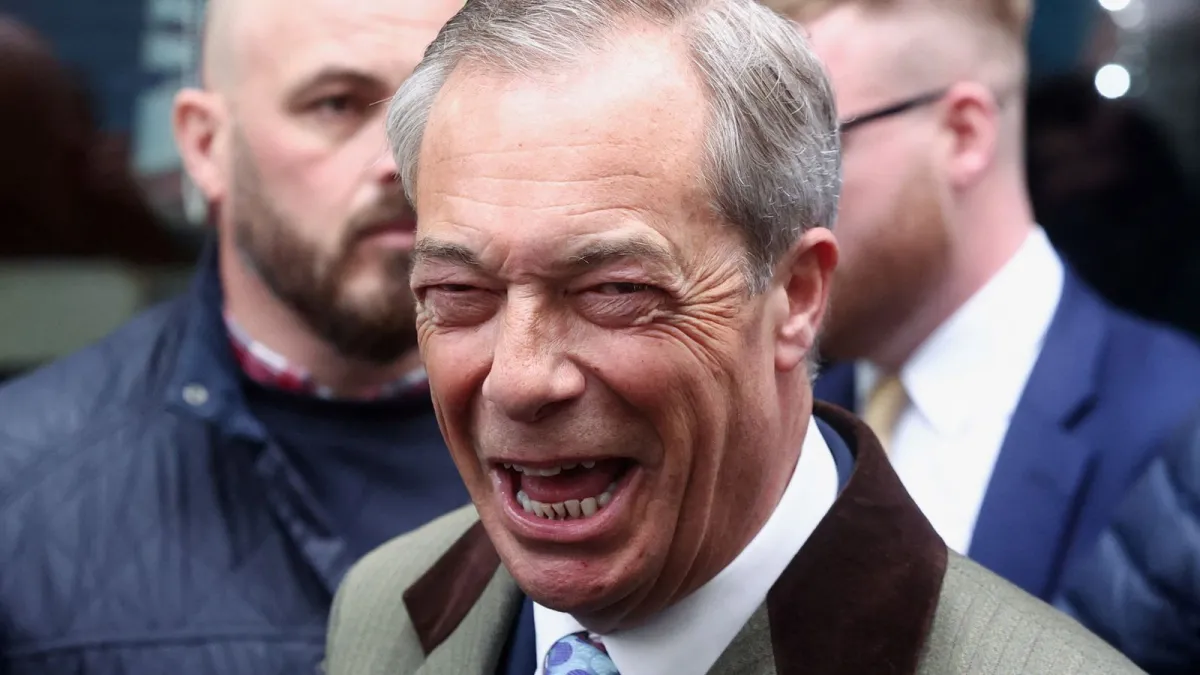 Photo: Nigel Farage, via e3.365dm.com
YouGov data published in early 2025 showed Labour's net approval rating among 18-to-24-year-olds had collapsed to levels not seen since the height of the Corbyn backlash in right-wing media. That is a remarkable achievement in reverse — alienating the demographic most naturally inclined towards the party, while failing to make meaningful inroads with Reform voters who, by and large, do not trust Labour on immigration, national identity, or economic nationalism regardless of how many policy concessions are made.
What a 'Purge' Actually Looks Like
It is worth being precise about what internal marginalisation looks like in practice, because the mechanisms are deliberately undramatic. It rarely involves public expulsions or televised confrontations. It involves candidate shortlists from which left-leaning applicants are quietly removed. It involves the withdrawal of front-bench positions from MPs who vote according to their conscience rather than the whipping instruction. It involves the use of the party's disciplinary apparatus — the National Executive Committee, the General Secretary's office — to investigate and in some cases suspend members who have expressed solidarity with causes the leadership finds politically inconvenient.
The suspension of left-wing activists for sharing social media posts critical of government welfare policy, or for attending pro-Gaza demonstrations, is not a neutral administrative act. It is a political signal — to the membership, to the press, and to potential donors — about what kind of party Labour intends to be.
The People Left Behind
The human cost of this strategic pivot is not abstract. The communities Labour was built to represent — working-class households in post-industrial towns, low-income renters in urban constituencies, disabled people navigating a punitive benefits system, young workers priced out of housing and stability — are watching a government they voted for implement policies that would not look out of place in a moderate Conservative manifesto. The two-child benefit cap remains in place. The winter fuel payment cut has gone ahead. The commitment to abolish exploitative zero-hours contracts has been watered down under pressure from business lobbying.
These are not triangulation decisions that will be forgotten by the next election cycle. They are lived realities for millions of people who turned out in July 2024 hoping for something meaningfully different.
What This Signals
The broader implication of Labour's rightward consolidation is that British politics is entering a period in which the left has no major party home. The Liberal Democrats occupy a socially liberal but fiscally cautious lane. The Greens lack the parliamentary footprint to govern. The SNP is consumed by its own internal difficulties. And Labour — the only vehicle historically capable of delivering structural change — is actively distancing itself from the intellectual and moral traditions that made that change possible.
If the 2029 general election arrives with Reform UK entrenched as the primary opposition force and Labour defending a record indistinguishable from austerity-lite Conservatism, the party will have achieved something genuinely historic: it will have voluntarily ceded both the political ground and the moral argument simultaneously.
Purging your base to chase voters who do not want you is not a strategy — it is a slow-motion act of self-destruction, and the people who will pay the price are the ones who had least to begin with.