The Arms Trade's Dirty Money: How British Weapons Manufacturers Buy Political Silence at Westminster
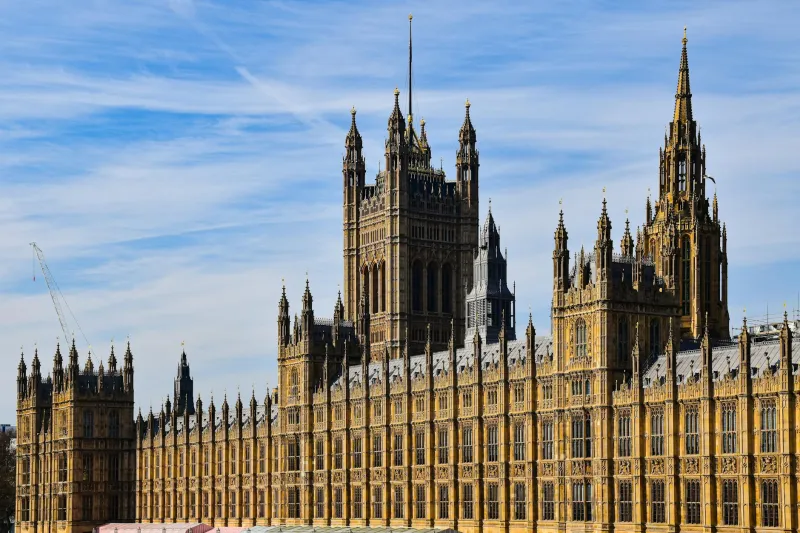
In the gilded corridors of Westminster, where moral rhetoric flows as freely as champagne at receptions, a darker transaction takes place daily. British arms manufacturers, whose products fuel conflicts from Yemen to Myanmar, have systematically purchased political influence through a web of donations, consultancy fees, and parliamentary group sponsorships that would make a lobbying firm blush. The result is a foreign policy that speaks of human rights whilst simultaneously arming human rights abusers — and a political class that has learned to look the other way.
The Money Trail That Leads to Silence
The figures are as stark as they are morally damning. BAE Systems, Britain's largest defence contractor, has donated over £400,000 to the Conservative Party since 2010, whilst maintaining consultancy agreements with dozens of MPs across party lines. Rolls-Royce, whose engines power military aircraft dropping bombs across the Middle East, sponsors the All-Party Parliamentary Group on Aerospace, ensuring friendly voices when export licences come up for debate.
This is not mere corporate engagement — it is the systematic purchase of political acquiescence. When Lockheed Martin UK sponsors parliamentary receptions, when Thales funds fact-finding missions, when Leonardo helicopters pays for policy briefings, they are not buying advertising space. They are buying silence. They are ensuring that when Saudi Arabia requests cluster munitions or when Turkey seeks surveillance technology for use against Kurdish civilians, the moral objections that should echo through Parliament are muffled by financial obligation.
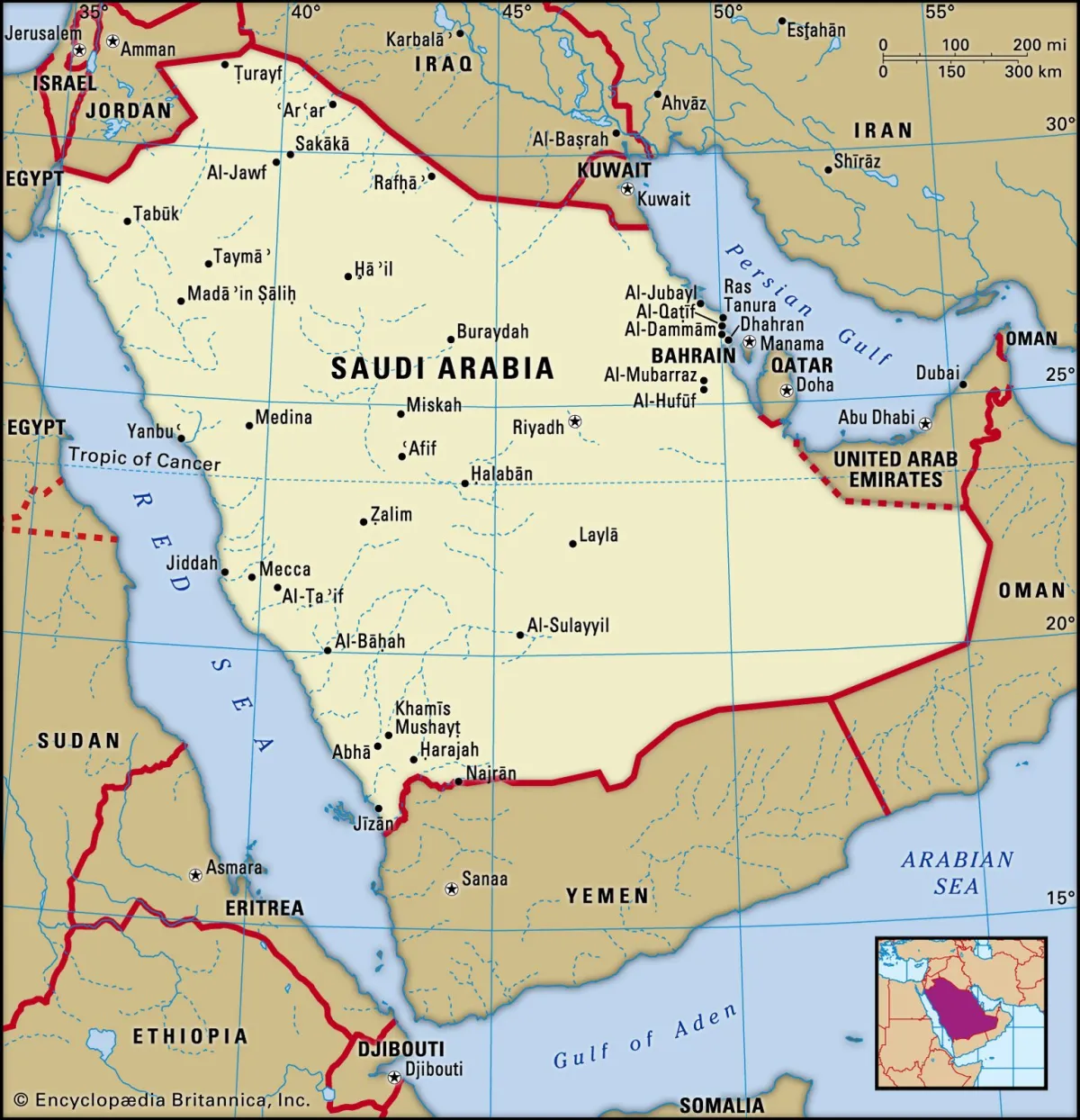 Photo: Saudi Arabia, via cdn.britannica.com
The revolving door spins with nauseating predictability. Former Defence Secretary Liam Fox joined the board of a US defence firm within months of leaving office. Ex-ministers routinely transition to lucrative consultancy roles with the very companies they once regulated. This is not coincidence — it is the natural endpoint of a system where commercial interests have been allowed to colonise democratic decision-making.
The Human Cost of Political Convenience
Whilst Westminster dinner parties celebrate "Global Britain's" defence exports — worth £11.2 billion in 2022 — the human consequences play out in hospitals and refugee camps thousands of miles away. British-made weapons have been documented in use against civilian targets in Yemen, where Saudi Arabia's bombing campaign has created what the UN calls the world's worst humanitarian crisis. UK surveillance technology helps authoritarian regimes track and suppress dissidents from Hong Kong to Bahrain.
The government's own statistics reveal the moral bankruptcy of this trade. In 2022, Britain approved arms exports worth £8.5 billion to countries rated as "not free" by Freedom House, including £1.4 billion to Saudi Arabia alone. These are not defensive weapons sold to democratic allies — they are offensive capabilities delivered to regimes that use them to maintain power through violence.
Yet when human rights organisations raise concerns, when opposition MPs ask uncomfortable questions, when journalists investigate civilian casualties, they encounter a wall of political indifference that has been carefully constructed through years of financial influence. The arms trade has not merely bought weapons contracts — it has purchased the normalisation of complicity.
The Democratic Deficit That Kills
The counter-argument, rehearsed with numbing regularity by industry representatives and their parliamentary allies, centres on jobs and economic necessity. Britain employs 275,000 people in defence manufacturing, they argue, and cannot afford moral luxury in a competitive global marketplace. If we don't sell weapons, someone else will — better that British workers benefit than foreign competitors.
This argument collapses under the slightest moral scrutiny. The same logic could justify any profitable but harmful trade — drugs, human trafficking, or environmental destruction. The economic benefits of arms exports, whilst real, are dwarfed by the costs of the conflicts they fuel: refugee crises that Britain then spends billions addressing, regional instability that requires military intervention, and the erosion of international law that ultimately makes everyone less secure.
Moreover, the jobs argument ignores the potential for conversion to civilian manufacturing. The engineering expertise that builds fighter jets could construct renewable energy infrastructure. The precision manufacturing that produces missiles could create medical devices. The choice to prioritise weapons over peaceful alternatives is political, not economic — and that political choice has been shaped by financial influence.
Beyond the Moral Event Horizon
The normalisation of arms money in British politics represents something more profound than policy disagreement — it marks a point where democratic accountability breaks down entirely. When financial relationships determine foreign policy positions, when commercial interests override humanitarian concerns, when profit margins matter more than civilian casualties, we have moved beyond the realm of legitimate political debate into something darker.
This is not about pacifism or naive idealism. Britain has legitimate defence needs and democratic allies deserving of support. But the current system, where arms manufacturers purchase political protection through financial relationships, ensures that commercial rather than strategic considerations drive policy. The result is a foreign policy that serves shareholder interests rather than national security, that prioritises export revenues over international stability.
The Reckoning That Must Come
The solution requires more than transparency — it demands transformation. Political parties must reject arms industry donations entirely. MPs should be prohibited from holding consultancy roles with defence contractors whilst in office. Parliamentary groups should be banned from accepting sponsorship from companies whose products they may be asked to regulate.
Most fundamentally, arms export decisions must be removed from commercial influence and subjected to genuine parliamentary scrutiny. Every weapons sale should require explicit legislative approval, with full disclosure of end-users and oversight of actual deployment.
The arms trade's financial colonisation of Westminster represents the corruption of democratic decision-making in service of commercial interests that profit from human suffering — and no amount of champagne reception rhetoric can wash that blood money clean.